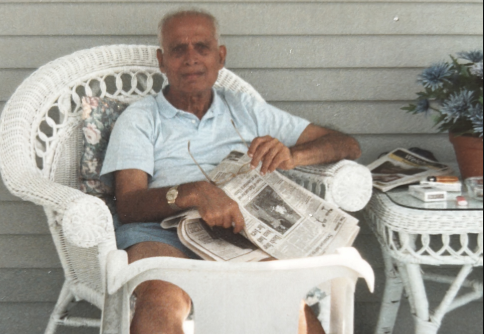
Capt Mohd Kabeer Hashmi
By Lina Hashmi Graham
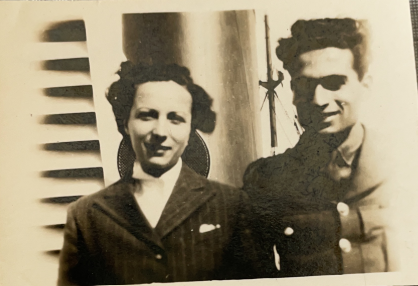
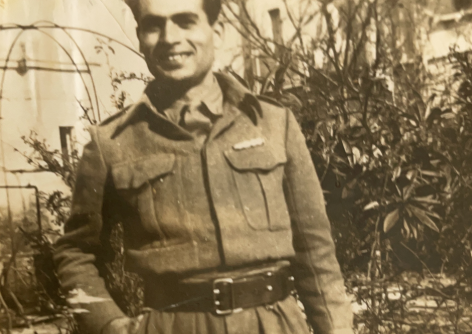
My father, Captain Mohammad Kabeer Hashmi, qualified as a doctor at the King Edwards Medical College in Lahore (then India). He served in the British Indian Army Medical Corps
During World War Two he was stationed at Monte Cassino in Italy and after the epic battle, he was going to the frontline to pick up the wounded in a jeep. The jeep went over a landmine, and my father was injured. He was sent to recuperate at Villa Angelina in Sorrento, which still exists.
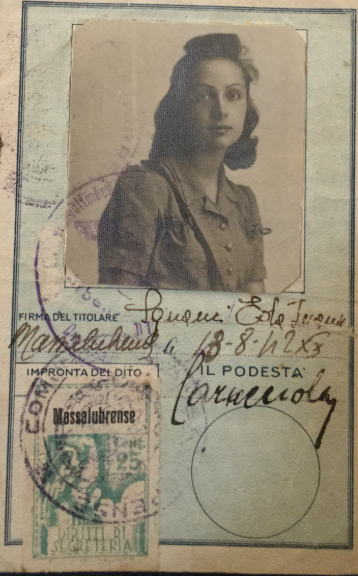
My mother’s family was from Florence, and her father was an anti-fascist who had been exiled to Sorrento. He worked at Villa Angelina as a gardener.
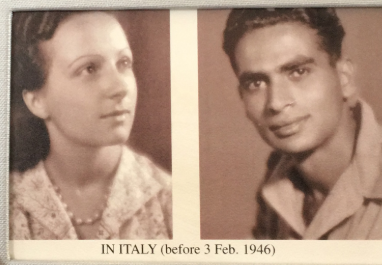
The famous businessman and politician, Achille Lauro, built a primary school at the gates of the villa. When my mother qualified as a teacher she got a job at the school. My father was always a great explorer and would go for walks – one day he saw my mother near the school and they both fell in love. Although, her family were disappointed, especially her father and brother.
My parents got married in Bari, Italy on the 3rd of February 1946 under the British Army auspices. They didn’t have a copy of their marriage certificate for years until they got it with some effort from army registration headquarters in Wales. The newlyweds set sail for India on a requisitioned hospital ship, called Arundel Castle.
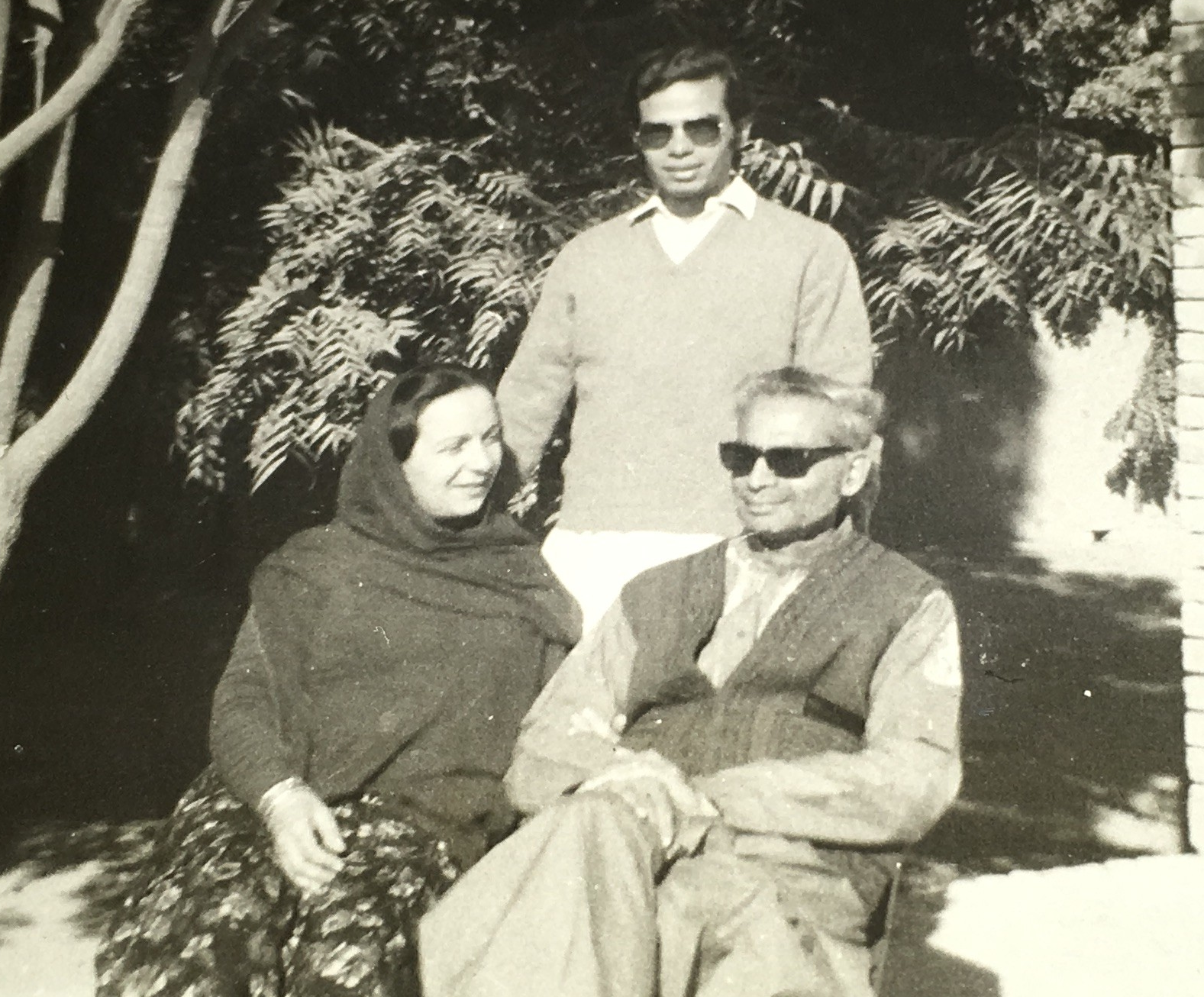
When India gained independence in 1947 and Pakistan was created, Captain Hashmi was one of the few Muslim doctors still left on the Indian side. He was posted to the Red Fort in Delhi to look after the Muslim refugees sheltering there. During partition, my Italian mother Ivana, my sister Arifa and my father were flown to Pakistan in a Dakota - if they had travelled by train my family’s fate may have been very different because many of those trains travelling to either side of the border returned with no surviving passengers. They may have not survived and I may not have been born. Kismat (destiny) has played a big part in my family’s history.
In 1953, my father was sent to London to study tropical medicine, specialising in malaria eradication as a Commonwealth doctor. He was later Head of the Malaria Eradication Programme in Pakistan and then in Iraq, Indonesia and Somalia for the World Health Organisation (WHO).
My parents didn’t settle in Britain, but I moved here after marrying my husband, who is Irish.
My father joining the British Indian Army is a big part of my history. If he hadn’t, he wouldn’t have met my mother, and I would never have been born.